
Common Mistakes Homeowners Make With Koi Pond Installation
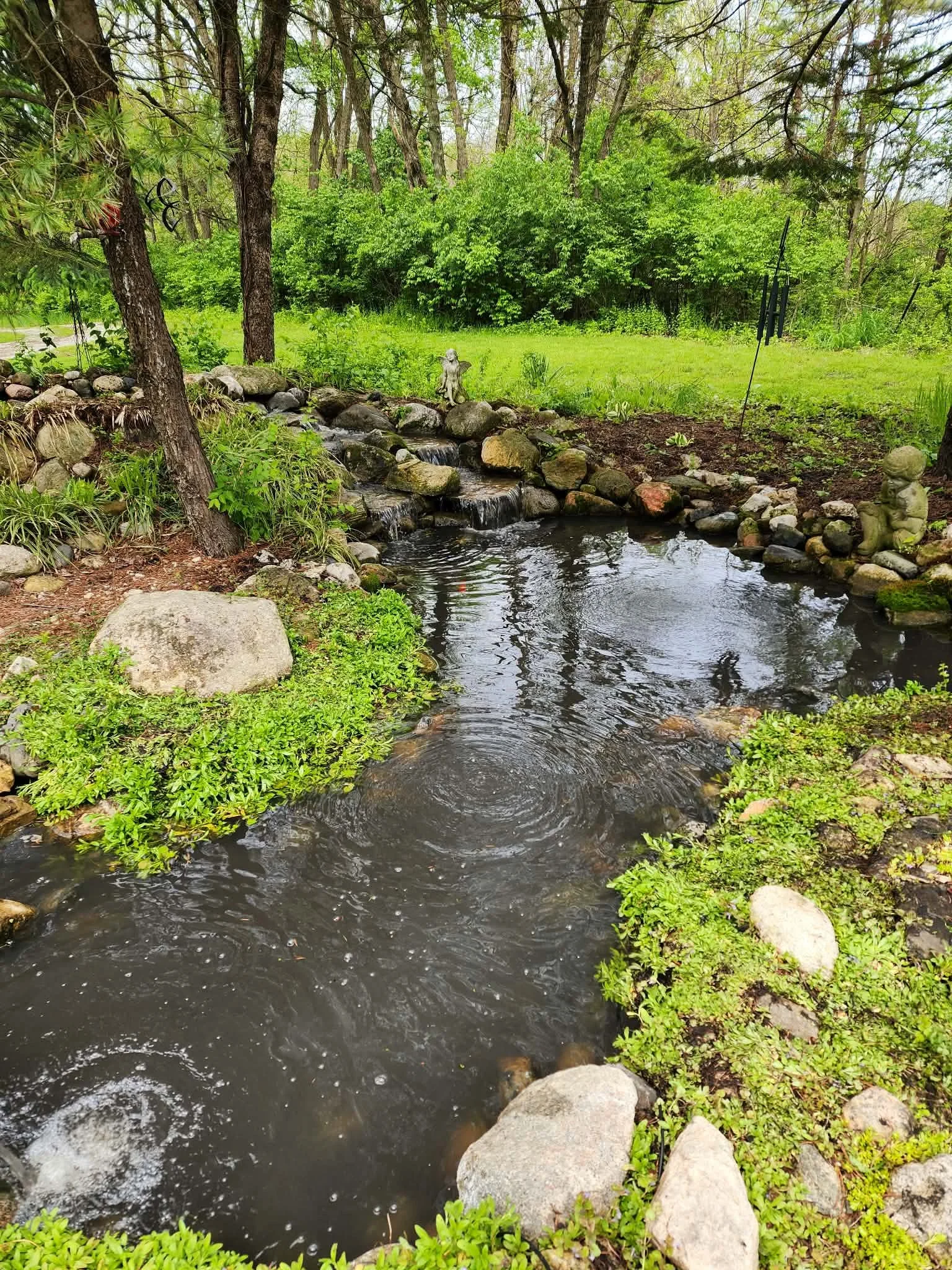
Installing a koi pond is one of the most rewarding ways to transform a backyard. A well-designed pond creates movement, sound, wildlife, and a space people naturally gather around. But while koi ponds can become the centerpiece of an outdoor living space, they also require proper planning from the beginning.
Many homeowners throughout Elkhart, South Bend, Goshen, Plymouth, Warsaw, and Northern Indiana eventually call pond contractors not because they regret building a pond, but because the original installation was undersized, poorly planned, or built without understanding how ecosystem ponds actually function.
The reality is this: most long-term pond problems begin during installation.
Whether you are considering a backyard koi pond, waterfall, or full ecosystem pond, understanding the most common mistakes homeowners make can help you build a healthier, lower-maintenance water feature that lasts for years.
Building the Pond Too Small
One of the most common regrets homeowners have is not going larger from the beginning.
Small ponds may seem easier and more affordable initially, but they are often harder to maintain long term. Smaller bodies of water heat up faster, cool down faster, and become overloaded more quickly with fish waste and debris.
In many cases:
Water quality becomes unstable faster
Algae problems happen more often
Fish outgrow the space
Maintenance increases
Filtration struggles to keep up
Larger ponds generally create more stable ecosystem conditions.
Many homeowners in Northern Indiana initially ask for a “small decorative pond” and later realize they spend far more time around the pond than expected. A slightly larger pond often feels more natural, supports healthier fish, and creates a stronger visual impact in the landscape.
Underestimating Filtration Needs
Filtration is one of the most important parts of koi pond installation, yet it is also one of the most misunderstood.
Koi fish produce a significant amount of waste. Without proper biological and mechanical filtration, ponds often develop:
Green water
Poor clarity
Sludge buildup
Excess algae
Poor oxygen levels
Fish stress
Many DIY systems or undersized pond kits simply are not designed to handle the long-term demands of koi fish.
A properly designed ecosystem pond typically combines:
Skimmers
Biological filters
Waterfalls
Aeration
Beneficial bacteria
Proper circulation
There is no single “best” pond filtration system because every pond has different:
Fish populations
Sun exposure
Water volume
Tree coverage
Maintenance expectations
Professional koi pond builders help determine the best filtration setup based on the homeowner’s goals and the pond’s environment.
Choosing a Pond Builder Without Water Feature Experience
Not all landscapers specialize in ponds.
Many homeowners assume any landscaping company can build a koi pond, but water features require a completely different understanding of:
Water movement
Plumbing
Biological filtration
Fish care
Circulation
Structural edge work
Leak prevention
Ecosystem balance
Improper installation can lead to:
Leaking waterfalls
Poor circulation
Algae issues
Fish health problems
High maintenance
When researching koi pond installation in South Bend, Elkhart, Mishawaka, or Warsaw, homeowners should look for contractors who specifically understand ecosystem ponds and long-term pond health.
A pond should not just look good on install day. It should continue functioning properly years later.
Ignoring Long-Term Maintenance
One of the biggest misconceptions about koi ponds is that they are either completely maintenance free or impossible to maintain.
The truth is somewhere in between.
A professionally designed ecosystem pond is usually far easier to maintain than a poorly designed pond because it was built to work with nature rather than against it.
Still, every pond requires some level of upkeep including:
Seasonal cleanouts
Debris removal
Plant trimming
Filter maintenance
Water treatments
Fish monitoring
Homeowners who ignore maintenance often end up dealing with:
Excess sludge
Green water
Pump problems
Reduced oxygen
Fish stress
Routine pond maintenance helps preserve both water quality and the life of the filtration system.
Installing Too Many Fish Too Quickly
Many new pond owners become excited about adding koi immediately after installation. Unfortunately, overstocking is one of the fastest ways to create water quality issues.
Too many fish can overwhelm:
Filtration systems
Biological bacteria colonies
Oxygen levels
Water clarity
A smaller pond with a high fish load is often more difficult to maintain than a larger pond with fewer fish.
Professional pond contractors usually recommend slowly introducing fish while allowing the ecosystem to establish itself naturally.
Not Planning Around the Backyard Layout
A koi pond should feel integrated into the property, not randomly placed in the yard.
One mistake homeowners often make is focusing only on where the pond “fits” instead of where it will actually be enjoyed.
The best pond locations are usually visible from:
Patios
Kitchens
Outdoor entertaining spaces
Firepit areas
Main living spaces
The goal is creating a backyard people naturally spend more time in.
Professional pond designers also consider:
Existing drainage
Elevation changes
Access for equipment
Utility lines
Sunlight exposure
Future landscaping plans
The placement of the pond affects not only appearance, but also maintenance and long-term usability.
Improper Pond Depth
Depth matters more than many homeowners realize, especially in Northern Indiana climates.
Shallow ponds experience:
Faster temperature swings
Increased algae growth
Less stable ecosystems
More winter stress on fish
Most professionally built koi ponds in areas like Goshen, Elkhart, Plymouth, and South Bend are commonly built around 24–36 inches deep depending on:
Fish population
Filtration
Design goals
Water volume
Proper depth helps create a more stable environment throughout changing seasons.
Treating the Pond Like a Swimming Pool
Some homeowners approach pond ownership expecting crystal-clear sterile water at all times.
But ecosystem ponds are living systems, not chlorinated pools.
Healthy ponds contain:
Beneficial bacteria
Aquatic plants
Microorganisms
Natural biological processes
Trying to constantly sterilize the pond with chemicals often creates more imbalance instead of less.
A properly balanced pond should look healthy and natural rather than artificially sterile.
Forgetting About Circulation and Aeration
Water movement is critical for koi pond health.
Without proper circulation:
Debris settles
Oxygen decreases
Water stagnates
Algae increases
Fish become stressed
Waterfalls do more than create sound and appearance. They also help oxygenate the water and move circulation throughout the pond.
Professional pond builders design circulation intentionally to prevent dead zones and improve overall ecosystem health.
Thinking a Pond Is “Just Landscaping”
Many homeowners initially think a pond is simply another landscape feature.
Then they live with one.
A koi pond often changes:
How families use the backyard
How often people spend time outside
How entertaining spaces feel
The atmosphere of the property
For many homeowners throughout Northern Indiana, the pond eventually becomes the most used part of the backyard.
Children feed fish after school. Families gather near waterfalls in the evenings. Wildlife becomes part of the outdoor experience.
Most people eventually realize it was never really about the pond itself. It was about the environment and memories it created.
How to Avoid Problems With Koi Pond Installation
The best way to avoid long-term pond problems is proper planning from the beginning.
A professionally designed ecosystem pond should:
Fit the landscape naturally
Have adequate filtration
Support healthy fish
Include proper circulation
Be manageable long term
Match the homeowner’s lifestyle and goals
When researching koi pond installation companies in Elkhart, South Bend, Warsaw, Mishawaka, Goshen, or surrounding Northern Indiana areas, homeowners should look for contractors who understand both construction and ecosystem function.
Because a successful pond is not just about digging a hole and adding water.
It is about building a living environment that continues improving over time.
Frequently Asked Questions
What is the most common koi pond installation mistake?
One of the most common mistakes is building the pond too small or undersizing the filtration system.
How deep should a koi pond be in Indiana?
Most professionally built koi ponds in Indiana are commonly built around 24–36 inches deep depending on fish load and design goals.
Are koi ponds difficult to maintain?
A properly designed ecosystem pond is generally much easier to maintain than poorly designed ponds. Routine maintenance is still necessary.
Can I build a koi pond myself?
DIY ponds are possible, but many long-term issues stem from improper filtration, circulation, or construction mistakes during installation.
How much filtration does a koi pond need?
Koi ponds typically require stronger biological and mechanical filtration than decorative water gardens because koi produce more waste.
Why does my pond turn green?
Green water is often caused by excess nutrients, insufficient filtration, sunlight exposure, or ecosystem imbalance.
Do koi ponds increase property value?
A professionally designed water feature can improve outdoor living appeal and make a property stand out visually.
How long does a koi pond last?
A properly installed koi pond can last for decades with routine maintenance and occasional equipment updates.