
Creating a Lush Pond with Aquatic Plants In Indiana
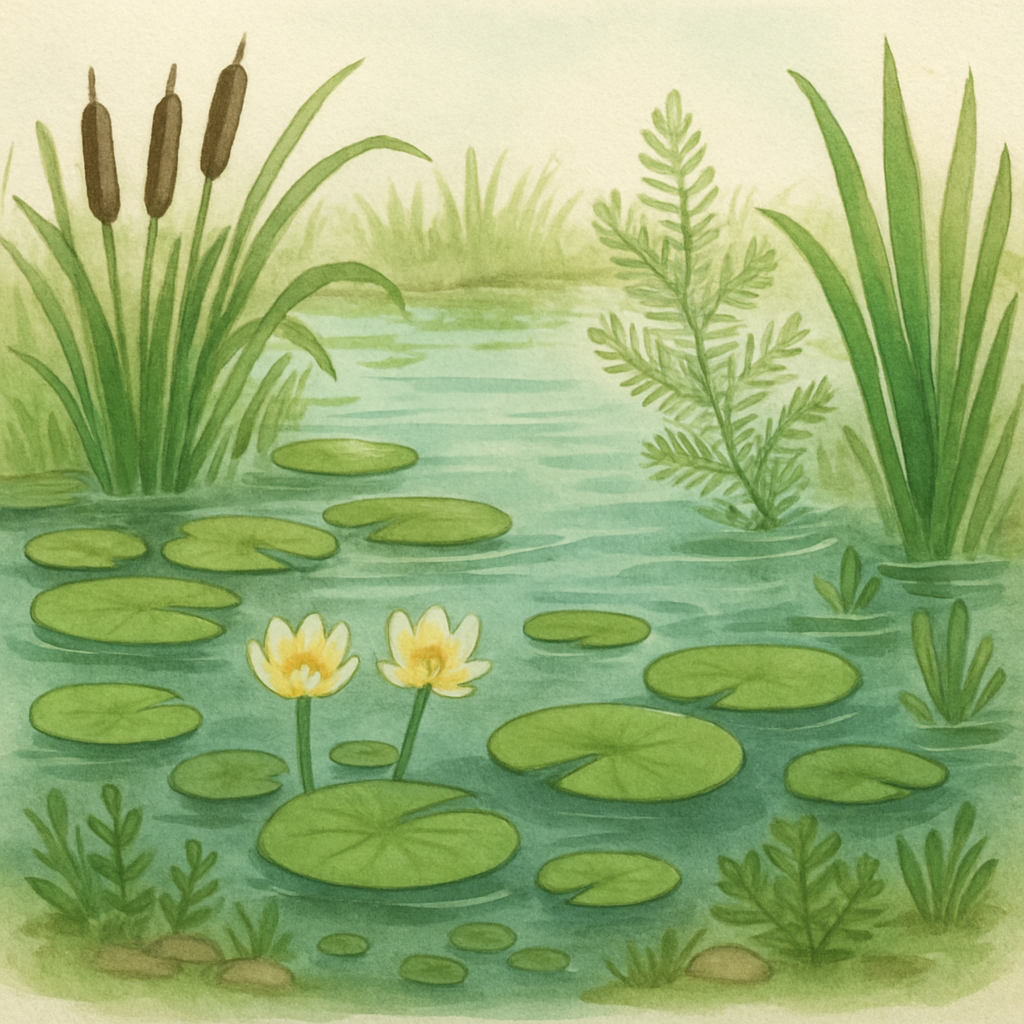
A pond ecosystem is a dynamic environment that supports a diverse range of plant and animal species. The key to a successful pond is maintaining a balance between different types of plants, which play a crucial role in the health of the water and the organisms that live within it. Aquatic plants provide oxygen, improve water quality, and offer habitat and food for wildlife.
The Role of Aquatic Plants
Aquatic plants are the unsung heroes of a pond ecosystem. They not only beautify the water feature but also contribute significantly to its ecological health. By producing oxygen through photosynthesis, these plants help to sustain aquatic life, from fish to tiny microorganisms. Moreover, they play a vital role in filtering and purifying water by absorbing pollutants and excess nutrients, which helps prevent issues like algae blooms.
Biodiversity Support
A well-planted pond creates a mini ecosystem that supports an incredible variety of life forms. From dragonflies darting above the water to frogs hiding among the reeds, a diverse range of wildlife finds refuge in the lush environment that aquatic plants create. This biodiversity is not only beneficial for the environment but also adds dynamic beauty to your garden space, offering endless opportunities for observation and enjoyment.
Natural Water Management
Aquatic plants contribute to the natural management of water levels in a pond. By stabilizing the soil at the water's edge, they help prevent erosion and maintain the pond's structure. Additionally, the shade provided by certain plants can help regulate water temperature, creating a more stable environment for all inhabitants. This natural management system reduces the need for artificial interventions, making your pond more sustainable and easier to maintain.
Types of Aquatic Plants
Aquatic plants can be categorized into several groups, each serving a unique function in the pond ecosystem:
Submerged Plants
Submerged plants are essential for maintaining clear, oxygen-rich water. These plants, such as Hornwort and Anacharis, grow entirely underwater and are often referred to as oxygenators. They are crucial in absorbing excess nutrients, which helps prevent algae proliferation. Additionally, their dense growth provides a safe haven for fish and aquatic invertebrates, offering both protection and breeding grounds.
Floating Plants
Floating plants, like Water Hyacinth and Duckweed, play a critical role in controlling algae growth by shading the water's surface and reducing light penetration. These plants are also adept at absorbing nutrients directly from the water, further curbing algae blooms. Their root systems provide habitat for microorganisms that contribute to the overall health of the pond, making them indispensable in creating a balanced ecosystem.
Marginal Plants
Marginal plants, such as Cattails and Pickerelweed, are typically found at the water's edge, where they add height and texture to the pond landscape. These plants are instrumental in stabilizing pond banks, preventing soil erosion and helping to filter runoff before it enters the pond. The striking flowers of many marginal plants also attract pollinators, adding another layer of ecological interaction to your pond environment.
Emergent Plants
Emergent plants, like Water Lilies and Lotus, are characterized by their leaves and flowers that rise above the water's surface. These plants are not only visually stunning but also provide valuable shade, which helps to regulate the pond's temperature and reduce algae growth. Their large, leafy structures offer shelter for fish and other aquatic creatures, making them a vital component of a thriving pond ecosystem.
Selecting Plants for Your Pond
Choosing the right plants for your pond depends on several factors, including the size of the pond, climate, and desired aesthetic. Here are some considerations to keep in mind:
Climate Considerations
Hardy Plants: In colder climates, it is crucial to select hardy plants that can survive harsh winter conditions. Plants such as Hardy Water Lilies and Iris are well-suited for these environments, providing beauty and resilience year-round. These plants are typically perennial, meaning they will return each spring, offering consistent contributions to your pond's ecosystem.
Tropical Plants: In warmer regions, you have the luxury of experimenting with tropical plants like Papyrus and Taro. These plants introduce an exotic flair to your pond, with dramatic foliage and unique textures. However, they may require additional care and maintenance, especially if temperatures drop below their comfort zone.
Size of the Pond
Small Ponds: For small ponds, it's important to choose compact plant species to prevent overcrowding. Dwarf Water Lilies and small oxygenating plants are ideal choices, offering beauty and ecological benefits without overwhelming the limited space. Thoughtful arrangement of these plants can create a balanced, visually appealing environment.
Large Ponds: In larger ponds, you have the opportunity to incorporate a broader variety of plants. Expansive floating plants and larger emergent species can be utilized to create depth and interest. The diversity in plant life will enhance the ecosystem's complexity, supporting a wider range of wildlife and contributing to the pond's overall health.
Aesthetic Preferences
Visual Appeal: When selecting plants, consider the color, height, and texture to create a visually appealing arrangement. The combination of different plant types can result in a harmonious and dynamic scene, where each plant complements the others. Utilize contrasting colors and varied leaf shapes to draw the eye and create focal points within the pond.
Ecosystem Balance: A balanced ecosystem not only looks attractive but functions effectively. Aim to mix and match various types of plants, ensuring that each serves a purpose within the ecosystem. This balance is crucial for maintaining water quality, supporting wildlife, and achieving the desired aesthetic effect.
Planting and Caring for Aquatic Plants
Once you've selected the right plants, it's time to introduce them to your pond. Proper planting and care are crucial for the plants to thrive.
Planting Techniques
Submerged Plants: These plants should be anchored in pots filled with aquatic soil, then placed at the bottom of the pond. This method ensures they remain in place and can effectively oxygenate the water. Be mindful of spacing to allow for growth and ensure they receive adequate light.
Floating Plants: Floating plants require minimal planting effort as they simply need to be placed on the water's surface. Ensure they have enough space to spread and monitor their growth, as some species can proliferate rapidly and potentially cover the entire surface, blocking light to submerged plants.
Marginal and Emergent Plants: For these plants, use shallow shelves or plant directly into the pond's edge. Ensure they are rooted securely to prevent them from floating away or being dislodged by wildlife. Proper placement will help stabilize the pond's banks and contribute to the ecosystem's balance.
Maintenance and Care
Pruning: Regular pruning is essential to prevent overgrowth and maintain the aesthetic appeal of your pond. Remove dead or decaying foliage promptly to reduce the risk of water contamination. Pruning also encourages new growth, keeping plants healthy and vibrant.
Fertilization: While aquatic plants generally require fewer nutrients than terrestrial plants, occasional fertilization can enhance growth and flowering. Use aquatic plant fertilizers sparingly to avoid over-fertilizing, which can lead to detrimental algae blooms. Follow the manufacturer's instructions carefully.
Pest Control: Monitor your pond for pests such as aphids or snails, which can damage plants. Employ pond-safe pest control solutions when necessary, ensuring they won't harm beneficial insects or disrupt the pond's ecological balance. Regular inspections can help catch infestations early, minimizing their impact.
Benefits of a Plant-Rich Pond
Incorporating a variety of aquatic plants into your pond offers numerous benefits:
Improved Water Quality
Aquatic plants play a vital role in maintaining clear and healthy water. By absorbing excess nutrients and pollutants, they help to prevent common water quality issues such as cloudiness and algae blooms. This natural filtration system reduces the need for chemical treatments, making your pond a more environmentally friendly and sustainable feature.
Increased Biodiversity
A mix of plants attracts a diverse range of wildlife, enhancing the ecological value of your pond. Frogs, dragonflies, birds, and other creatures are drawn to the habitat and food sources provided by aquatic plants. This biodiversity not only supports local ecosystems but also enriches your garden's dynamic, offering endless opportunities for wildlife observation.
Natural Beauty
The vibrant colors and textures of aquatic plants create a stunning visual impact, enhancing the overall appeal of your garden. A well-planted pond serves as a focal point, drawing the eye and inviting exploration. The ever-changing scenes as plants bloom and wildlife visits ensure that your pond remains a source of beauty and interest throughout the seasons.
Recommended Pond Plants
Here are some great pond plants to consider for different roles in your pond ecosystem:
Submerged Plants
Anacharis (Elodea canadensis): Known for its ability to oxygenate water, Anacharis provides a crucial habitat for fish. Its dense foliage offers both shelter and breeding grounds, making it an essential component of a healthy pond.
Hornwort (Ceratophyllum demersum): A fast-growing oxygenator, Hornwort thrives in various conditions. Its adaptability makes it a popular choice for pond enthusiasts looking to maintain clear, oxygen-rich water.
Floating Plants
Water Hyacinth (Eichhornia crassipes): With beautiful purple flowers, Water Hyacinth not only adds aesthetic value but also helps control algae. Its ability to absorb excess nutrients makes it a valuable ally in maintaining water quality.
Water Lettuce (Pistia stratiotes): This floating plant forms rosettes of soft, velvety leaves that resemble open heads of lettuce. Water Lettuce provides excellent surface coverage, offering shade to reduce algae growth and help regulate water temperature. Like Water Hyacinth, it absorbs excess nutrients from the water, but it should be monitored to prevent overgrowth.
Marginal Plants
Water Iris (Iris pseudacorus or Iris versicolor): Water Iris brings elegant color and texture to the pond’s edge, blooming in shades of blue, purple, or yellow depending on the variety. Its tall, sword-like leaves add vertical interest while helping filter excess nutrients from the water. This hardy plant thrives in shallow areas, enhancing both beauty and water quality.
Pickerelweed (Pontederia cordata): Featuring striking blue flowers, Pickerelweed attracts pollinators and adds vibrant color to the pond's edge. Its presence supports both the visual and ecological richness of your garden.
Rain Lily (Zephyranthes spp.): Rain Lilies are charming marginal plants that burst into bloom after rainfall, displaying delicate pink or white flowers. They’re perfect for softening the edges of your pond or stream and perform well in moist soil or shallow water. Their subtle fragrance and seasonal blooms bring a graceful, natural touch to any water feature.
Emergent Plants
Water Lily (Nymphaea spp.): Renowned for their stunning blooms, Water Lilies offer beauty and shade. Their large leaves help regulate water temperature, creating a more stable environment for pond inhabitants.
Lotus (Nelumbo nucifera): With exotic flowers and large leaves, Lotus creates a dramatic effect. Their presence adds a touch of elegance and a sense of tranquility to any pond setting.
Conclusion
Creating a lush pond with aquatic plants is a rewarding endeavor that enhances the beauty and ecological value of your garden. By selecting the right combination of submerged, floating, marginal, and emergent plants, you can cultivate a thriving pond ecosystem that supports a diverse range of wildlife. Whether you're aiming to improve water quality, attract wildlife, or simply enjoy the visual appeal of a plant-rich pond, aquatic plants are essential components that make it all possible.
Embrace the beauty and complexity of aquatic gardening, and transform your pond into a vibrant oasis that delights the senses and nurtures the environment. Through thoughtful planning and care, your pond can become a cornerstone of your garden, offering a sanctuary for both wildlife and those who seek solace in nature's embrace. Are you interested in adding additional filtration besides plants? Check out this Blog post: The Complete Guide to Koi Pond Filters.
Frequently Asked Questions About Indiana Pond Ecosystems & Aquatic Plants
What is a pond ecosystem, and why is it important in Indiana?
A pond ecosystem in Indiana is a balanced natural environment where aquatic plants, fish, and microorganisms coexist. In our Midwest climate, a healthy pond ecosystem helps keep water clear through all four seasons, supports local wildlife, and reduces the need for chemical treatments or constant mechanical filtration.
How do aquatic plants improve water quality in Indiana ponds?
Aquatic plants absorb excess nutrients, such as nitrogen and phosphorus, which helps prevent algae blooms that are common in Indiana’s warm, humid summers. They also release oxygen into the water through photosynthesis, keeping fish and beneficial bacteria healthy while maintaining natural clarity.
What are the main types of aquatic plants used in Indiana ponds?
For Indiana ponds, aquatic plants are typically grouped into four types: submerged plants (like Anacharis and Hornwort), floating plants (such as Water Hyacinth and Water Lettuce in warm months), marginal plants (including Water Iris, Pickerelweed, and Rain Lily), and emergent plants (like Hardy Water Lilies and Lotus). Each type plays a specific role in supporting a healthy pond ecosystem in our regional climate.
Which aquatic plants are best suited for Indiana’s climate?
In Indiana, hardy species such as Hardy Water Lilies, Water Iris, Pickerelweed, and Hornwort perform especially well because they can handle cold winters and temperature swings. Tropical plants like Water Hyacinth and Water Lettuce can be used during the growing season but generally will not survive freezing temperatures and are treated as annuals.
How do floating plants help control algae in Indiana ponds?
Floating plants like Water Hyacinth and Water Lettuce provide shade on hot Indiana summer days, reducing sunlight and slowing algae growth. Their roots absorb the same nutrients algae feed on, helping to keep water clearer and more balanced throughout the season.
What are the benefits of marginal and emergent plants in Indiana pond ecosystems?
Marginal and emergent plants, such as Water Iris, Pickerelweed, Rain Lily, and Hardy Water Lilies, help stabilize pond edges, filter runoff from Indiana rainstorms, and add four-season interest. They also attract pollinators, birds, and beneficial insects, increasing biodiversity around your pond.
How can I maintain healthy aquatic plants year-round in Indiana?
In Indiana, healthy aquatic plants depend on seasonal care: prune and thin growth in late summer, cut back hardy plants in fall, and protect or remove tropical plants before hard freezes. In spring, clean up dead material, check plant health, and divide or replant as needed. Choosing hardy species like Water Lilies and Iris makes winter care easier, while tropicals can be enjoyed during the growing season and replaced the following year.