
Crystal-Clear Koi Pond Confidence: Understanding the Atlantic-Oase Clear Water Guarantee
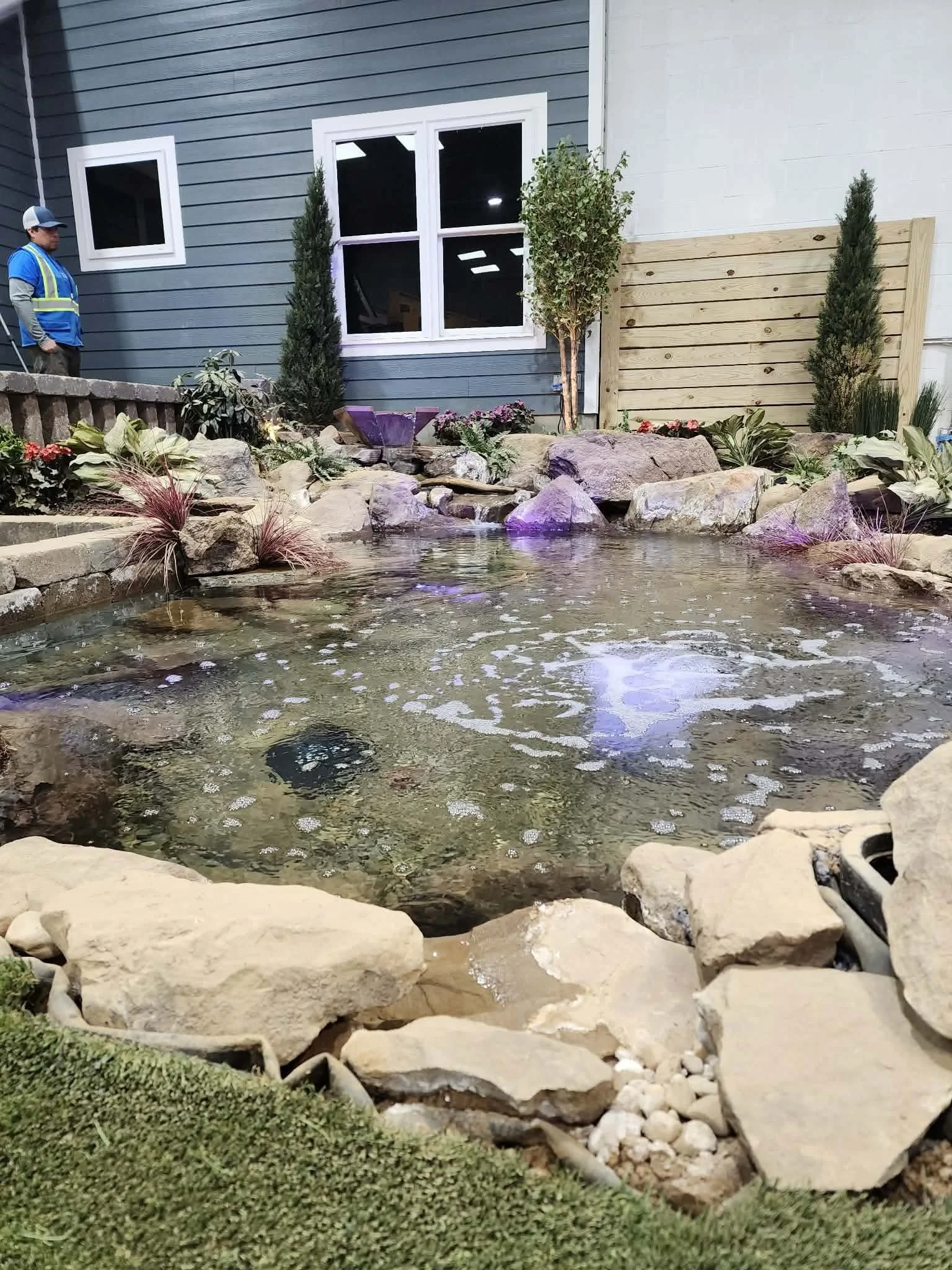
If you’ve ever owned a pond, you know that nothing feels better than walking outside and seeing the water so clear you can spot every fish, stone, and reflection. Unfortunately, many pond owners also know how easily that clarity can disappear.
One week, the water sparkles. The next, it turns cloudy or green—and you’re left wondering what went wrong.
That’s exactly the problem the Atlantic-Oase Clear Water Guarantee was designed to solve.
This program gives pond owners peace of mind by pairing the right filter, ultraviolet clarifier, and pump into a single system that’s been tested to maintain naturally clear water. And the best part? The results are guaranteed when the system is properly sized, installed, and maintained.
At Aquascapes of Michiana, we design, install, and service Clear Water Systems throughout Northern Indiana, including Elkhart, South Bend, Granger, Mishawaka, Plymouth, and nearby areas. Let’s explore how this program works, what makes it unique, and why it’s become one of the most dependable paths to clean, healthy pond water.
Why Water Clarity Matters
Pond clarity isn’t just about looks—it’s a reflection of your pond’s overall health.
Clear water means:
Oxygen levels are balanced.
Beneficial bacteria are thriving.
Filtration is doing its job.
Nutrient buildup is under control.
When water turns murky or green, it’s a sign of imbalance. Too many nutrients, an undersized filter, or an aging UVC bulb can allow algae to take over. The Clear Water Guarantee takes that uncertainty away by providing a clearly defined system built around the biology of your pond.
The Idea Behind the Guarantee
Atlantic-Oase developed the Clear Water Guarantee (CWG) to give pond owners a measurable benchmark of success. Instead of guessing what “clean” means, the program defines clear water as the ability to see down to a depth of about three feet and clearly identify the bottom of the pond.
In practical terms, that means your fish, plants, and rocks are visible—and the water stays stable enough to maintain that clarity long-term.
To qualify, a pond must be equipped with three correctly sized components from the Atlantic-Oase system family:
A solids-handling pump (AquaMax series)
An ultraviolet clarifier (UVC)
A biological and mechanical filter
When those three pieces are balanced for your pond’s size and fish load, they form what Atlantic-Oase calls a “Clear Water System.”
At Aquascapes of Michiana, we’ve seen this combination work across a variety of pond styles—from small decorative backyard ponds to koi ponds and natural swimming pools.
What the Guarantee Covers
The Clear Water Guarantee applies when an approved system is installed and operated according to the product guidelines. In simple terms, that means:
The pump, filter, and UVC are correctly matched to your pond’s volume and fish load.
The system is installed according to the manufacturer’s directions.
The pump runs continuously during the pond season so the filter can work biologically and mechanically.
Maintenance, such as filter cleaning and annual UVC bulb replacement, is performed on schedule.
When these conditions are met, Atlantic-Oase guarantees naturally clear water for up to three years from the date of purchase. If the pond doesn’t meet the clarity standard, their technical team helps troubleshoot and, if necessary, will replace or refund the qualifying system components.
Defining “Clear Water” the Right Way
It’s important to understand that “clear” in pond terms doesn’t mean sterile like tap water.
Natural ponds always contain some microscopic particles and subtle color variations—that’s part of a healthy ecosystem.
A pond is considered “clear” when:
The bottom is visible at a depth of around three feet.
Fish and plants can be easily seen.
The water appears clean and balanced rather than opaque or green.
Mild string algae along rocks or edges is actually a sign of stability—it uses nutrients before they can feed free-floating algae. The goal isn’t to eliminate all life from the pond, but to maintain a thriving, balanced environment that looks and feels clean.
Proud to install and maintain Atlantic-Oase systems—industry leaders in water feature innovation and design. Atlantic-Oase® is a registered trademark of Oase North America. Used with permission by authorized installer Aquascapes of Michiana.
How the Clear Water System Works
Every Clear Water System relies on three parts working together in harmony:
1. The Filter
The filter is the biological engine of the pond. Inside, layers of foam and media trap debris and provide surface area for beneficial bacteria. Those microorganisms convert harmful waste products—like ammonia and nitrites from fish waste—into safer compounds.
When the filter is sized correctly, it maintains a steady bacterial colony that keeps water healthy and balanced without constant cleaning.
2. The Ultraviolet Clarifier (UVC)
The UVC addresses the green-water problem caused by single-celled algae. As water passes through the clarifier, ultraviolet light damages the algae cells’ ability to reproduce. They clump together and are easily removed by the filter.
The result is visibly clearer water without chemicals or algaecides. Replacing the UVC bulb annually ensures the light remains strong enough to do its job.
3. The Pump
The pump moves water through the entire system, providing oxygen and circulation.
Atlantic-Oase’s AquaMax pumps are built to handle solids and resist clogging, which keeps the system running smoothly. Higher-end models also include smart features such as variable speed control and freeze protection—important for ponds that run year-round in Northern Indiana’s changing climate.
The Four Key Steps to Guaranteed Clarity
While the product names vary, the process for achieving clear water is simple. These four steps form the backbone of the CWG system.
Step 1: Calculate Your Pond Volume
Knowing the actual number of gallons in your pond is the first step toward selecting the right system.
For rectangular ponds:
Length × Width × Average Depth × 7.5 = Gallons
For circular ponds:
Diameter × Diameter × Depth × 7.5 = Gallons
Even small errors here can lead to an undersized filter or pump, so we always verify dimensions on-site before installation.
Step 2: Evaluate the Fish Load
The number and size of fish determine how much waste your filter must handle.
Light load: Mostly plants, few or no fish.
Medium load: Up to roughly 10 inches of fish per 100 gallons.
Heavy load: Koi or large fish exceeding 20 inches per 100 gallons.
More fish means more nutrients, which means the system must work harder to keep the water clear.
Step 3: Select the Correct Filter and UVC Combination
Atlantic-Oase offers several filtration options based on pond size and use case:
Compact in-pond filters for features under about 1,600 gallons.
Pressurized filters for mid-sized ponds, capable of pushing water uphill to a stream or waterfall.
Flow-through filters for larger ponds up to tens of thousands of gallons.
Rotating drum and modular systems for large koi ponds or natural swimming pools.
Each filter can be paired with an appropriately sized UVC—ranging from small 18-watt clarifiers to high-capacity 110-watt models that clean automatically.
Choosing the right combination ensures steady biological activity and efficient algae control.
Step 4: Maintain Consistent Operation
A filter can’t do its biological work if it’s turned off. Continuous water movement keeps oxygen flowing and supports the bacterial colony that breaks down waste.
Maintenance is straightforward:
Run the pump 24/7 during pond season (roughly March–September).
Rinse filter foams only when the water flow noticeably slows.
Replace worn UVC bulbs once per year.
Add beneficial bacteria at the start of the season to jump-start biological filtration.
When used as intended, most ponds reach full clarity within several weeks of startup.
Who Qualifies for the Program
The Clear Water Guarantee is designed for ponds built in the traditional sense—a contained body of water made with a liner or shell, partial plant coverage, and exposure to several hours of sunlight per day.
It isn’t meant for fountains, shallow water gardens, or ponds directly under trees where heavy leaf fall constantly introduces debris. Following basic site guidelines (such as building at least 10–12 feet from large trees) helps the system perform exactly as intended.
Common Issues That Affect Clarity
Even the best system can be challenged if a few key details are overlooked. The most common causes of cloudy or green water include:
UVC bulbs that haven’t been replaced in over a year.
Filter sponges that are either cleaned too often or not often enough.
Long or narrow plumbing runs that reduce flow rate.
Excessive feeding or overstocking fish.
Fertilizers or runoff washing nutrients into the pond.
Poor placement—either full shade or all-day direct sun.
Fortunately, most of these problems are easily corrected once identified. Our team often resolves clarity issues simply by adjusting plumbing, upgrading a UVC, or balancing fish population and feeding habits.
How Claims Are Handled
If a system isn’t performing as expected, Atlantic-Oase’s technical team reviews the setup to identify what’s causing the issue. They look at:
Pond size and depth
Fish and plant population
Plumbing length and fittings
Sunlight exposure and water chemistry
Photos, videos, and setup details help them determine whether the system is configured correctly. Most cases are resolved with adjustments or component updates. If a genuine equipment failure occurs and the system was installed according to guidelines, Atlantic-Oase reimburses the product cost. Installation labor or unrelated modifications are not covered.
At Aquascapes of Michiana, we handle this process for our clients, simplifying communication and ensuring every system meets the manufacturer’s standards.
Timeframe for Results
After a new system is installed, ponds typically take four to six weeks to reach full clarity. This period allows beneficial bacteria to establish in the filter media and begin processing waste.
During this time:
Avoid cleaning the filter excessively.
Monitor water level and flow rate.
Ensure the pump runs continuously.
If your pond includes many fish or receives heavy nutrient input, clarity may take slightly longer—but once equilibrium is reached, it remains consistent.
The Role of Beneficial Bacteria
Biological filtration depends on microorganisms. Each spring—or after major cleanouts—it’s important to introduce beneficial bacteria products (such as BioMax or similar). These cultures populate the filter media and help the system reach its biological balance faster.
Without them, water may stay cloudy for weeks as bacteria slowly develop on their own.
Longevity and Maintenance Tips
Properly maintained systems can provide reliable clarity for years. Here are a few simple habits to extend your equipment’s life:
Keep hoses short and wide. Longer, narrow hoses reduce pressure and flow.
Add a barrier around the pond edge to prevent rainwater runoff carrying soil or fertilizer.
Feed fish moderately. Overfeeding increases nutrient load and algae growth.
Replace filter media and bulbs on schedule. Worn parts reduce efficiency.
Check flow indicators. Some filters include built-in gauges showing when cleaning is needed.
A little routine care prevents major issues and keeps the water clear with minimal effort.
Why Aquascapes of Michiana Trusts the System
As a professional pond builder, we’ve tested many filtration combinations over the years. The Atlantic-Oase system stands out because it combines mechanical, biological, and ultraviolet filtration into one cohesive approach backed by clear science—and an actual performance guarantee.
Our clients appreciate that there’s no guessing game. When properly installed, the system produces clear, stable water across seasons, even with Indiana’s fluctuating weather.
We handle every step—from sizing and installation to seasonal service—so pond owners can simply enjoy their water features without worrying about water quality.
Regional Perspective: Northern Indiana Ponds
Northern Indiana’s pond owners face unique challenges.
Cold winters require equipment that can handle freezing temperatures, while warm, humid summers accelerate algae growth.
Because the AquaMax pumps feature freeze protection and energy-saving controls, they adapt automatically to seasonal changes. The biological filters maintain balance through spring and summer, and the UVCs keep algae under control even during long daylight hours.
Whether you live in Elkhart, South Bend, Granger, Mishawaka, Goshen, Plymouth, or Warsaw, this system is robust enough for the Midwest climate and straightforward enough for homeowners to maintain with minimal effort.
A Realistic Look at “Guaranteed” Clarity
The Clear Water Guarantee isn’t a shortcut or chemical fix—it’s a framework that sets your pond up for success.
When installed correctly and operated continuously, it’s one of the most reliable methods to maintain healthy, crystal-clear water.
However, it’s also realistic. The guarantee recognizes that ponds are living systems. Some minor discoloration, natural debris, or string algae will always exist—that’s what makes a pond alive. The goal is to make sure the water stays balanced, not sterile.
Frequently Asked Questions
Q1: How is “clear water” defined in this program?
Clear water means the bottom of the pond is visible to a depth of about three feet, allowing you to easily identify fish, rocks, and plants.
Q2: Does the guarantee apply to every pond?
It applies to ponds built with proper liners or shells, partial plant coverage, and several hours of daily sunlight. Fountains or shade-covered pools don’t qualify. If you want more details, visit Atlantic-Oase’s Guidlines.
Q3: How long does the guarantee last?
When the system is operated and maintained according to the guidelines, the guarantee covers up to three years from the date of purchase.
Q4: Can I retrofit an existing pond?
Yes. Many existing ponds can be upgraded with a properly matched Atlantic-Oase pump, filter, and UVC combination to meet the program requirements.
Q5: How long until I see results?
Most ponds clear within four to six weeks once beneficial bacteria colonize the filter media.
Q6: Do I need professional installation?
While experienced DIY pond owners can install these systems, professional installation ensures correct sizing, plumbing, and setup—essential for the guarantee to remain valid.
Q7: What happens if the water doesn’t clear?
The technical team reviews your setup, offers adjustments, and if no solution is found, the product cost for the qualifying components is refunded.