
How Long Does It Take to Build a Koi Pond in Northern Indiana?
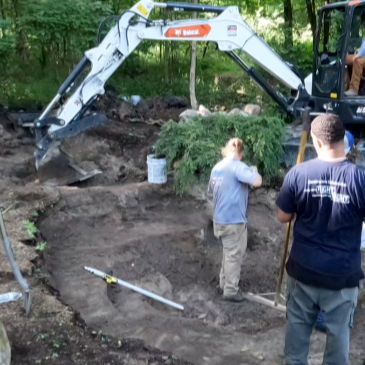
If you’re thinking about adding a koi pond to your backyard, you probably have two big questions: How much will it cost, and how long will it take to build?
For most professionally installed backyard koi ponds, the actual construction can happen surprisingly quickly. However, the complete timeline depends on much more than the size of the pond. Site access, excavation, filtration, rockwork, waterfalls, weather, landscaping, and the complexity of the design can all affect how long a koi pond takes to build.
For homeowners in South Bend, Mishawaka, Elkhart, Plymouth, Warsaw, Fort Wayne, and throughout Northern Indiana, understanding the process ahead of time can make planning your backyard project much easier.
How Long Does It Take to Build a Koi Pond?
A typical professionally installed backyard koi pond may take several days to around a week to construct, while larger or more complex custom projects can take longer.
The actual timeline for your pond will depend on factors such as:
Pond size and depth
Accessibility of the backyard
Amount of excavation required
Filtration system
Number and size of waterfalls or streams
Boulder and rock placement
Existing landscaping or hardscaping
Weather and ground conditions
Additional landscaping around the finished pond
The construction itself is also only one part of the process. Designing the pond, preparing the site, scheduling materials, and planning the project all happen before excavation begins.
Every property and pond design is different. A professional pond contractor should be able to provide a more accurate construction timeline once the site and scope of the project have been evaluated.
What Happens During Koi Pond Construction?
A koi pond isn’t simply a hole filled with water. A professionally constructed ecosystem pond includes excavation, liner, plumbing, circulation, filtration, rockwork, and careful grading to create a water feature that looks natural and functions properly.
Here’s what the koi pond construction process generally looks like.
1. Planning the Koi Pond
Before construction starts, the location and overall design need to be established.
This includes decisions about:
Pond size
Pond depth
Shape
Waterfall placement
Viewing areas
Filtration
Fish
Aquatic plants
Lighting
Surrounding landscaping
Access to the backyard
Where the pond sits can be just as important as how it is built. A pond should feel connected to the areas of the property you actually use.
A beautiful pond tucked into a corner nobody can see from the house or patio may not provide the same experience as one intentionally incorporated into the backyard.
2. Preparing and Excavating the Site
Once construction begins, excavation is usually one of the first major steps.
The crew establishes the pond shape and begins creating the different depths and shelves required by the design.
Excavation time can vary considerably. An open backyard with easy equipment access is very different from a fenced property where materials and equipment must move through a narrow gate.
Soil conditions can also affect excavation. Unexpected rock, roots, utilities, drainage conditions, or difficult grades may add time to a project.
3. Installing Pond Plumbing and Filtration
The filtration system is one of the most important parts of a koi pond, even though much of it isn’t what homeowners notice when they first look at the finished project.
Pumps, plumbing, mechanical filtration, biological filtration, and circulation all work together to move and clean the water.
This is also one reason professionally constructed ponds can vary so much in price and construction time. Two ponds with similar dimensions may have very different filtration systems.
Aquascapes of Michiana offers both traditional ecosystem ponds and more advanced Clear Water Guarantee ponds, so the filtration design and construction process can differ depending on the system selected.
Learn more about Clear Water Guarantee Ponds
4. Installing the Pond Liner
After excavation and preparation, the underlayment and pond liner create the watertight foundation of the pond.
The liner needs to conform to the pond’s shelves, edges, and contours while leaving enough material around the perimeter for proper finishing.
This stage isn’t especially exciting to look at, but getting it right is extremely important. Problems with pond edges, liner placement, or penetrations can create frustrating issues later.
5. Placing Boulders and Gravel
This is often when the pond starts looking less like a construction site and more like a natural water feature.
Boulders are placed throughout the pond and around the perimeter, while gravel covers portions of the liner and helps create the finished appearance.
Good rock placement isn’t random. The goal is to create a pond that looks like it belongs in the landscape rather than a lined hole surrounded by a ring of identical rocks.
Larger or more elaborate rockwork can add time because individual stones may need to be carefully selected, moved, and positioned.
6. Building the Waterfall or Stream
For many homeowners, the waterfall becomes one of their favorite parts of the finished pond.
Waterfalls also require a surprising amount of detail. Small changes in stone placement can change:
The sound of the waterfall
The direction water travels
The width of the cascade
Splash
How natural the waterfall looks
How the waterfall is viewed from different areas of the yard
A simple waterfall may be relatively quick to construct. A longer stream or a series of multiple waterfalls and pools requires considerably more work.
7. Filling the Pond and Starting the System
Once the major construction is complete, the pond can be filled and the circulation system started.
This is when the crew can begin checking how the entire system operates together.
Water flow can be evaluated, waterfall details adjusted, edges inspected, and equipment checked.
The pond may technically be finished at this point, but a brand-new ecosystem doesn’t instantly become a mature pond.
How Long Does a New Koi Pond Take to Become Established?
There is a difference between construction being finished and the pond ecosystem becoming established.
Beneficial bacteria, plants, and other biological processes develop over time.
That means a newly constructed pond may continue changing during its first several weeks and months. Plants begin growing in, rock surfaces start developing a more natural appearance, and the entire water feature begins blending into the surrounding landscape.
This is one reason established ponds can look dramatically different from pictures taken on construction day.
What Can Make Koi Pond Construction Take Longer?
Two ponds with the same approximate dimensions can have completely different construction timelines.
Here are some of the biggest factors.
Difficult Backyard Access
Equipment access can make an enormous difference.
If an excavator, skid steer, stone, gravel, and other materials can easily reach the construction area, the project can move efficiently.
Tight gates, steep slopes, existing patios, retaining walls, fences, or mature landscaping can make material handling more complicated.
Larger Boulders and Detailed Rockwork
Natural-looking ponds often require considerable rockwork.
The more complex the design becomes, the more time may be spent selecting and positioning individual stones. This is particularly true for waterfalls and other highly visible areas.
Streams and Multiple Waterfalls
Adding a stream changes the project considerably.
Instead of constructing only the pond basin, the crew also has to establish the stream’s elevation, containment, rock placement, and water flow.
Longer streams or multiple cascades naturally take more time.
Advanced Pond Filtration
A more advanced filtration system may involve additional excavation, plumbing, and components.
For homeowners who prioritize water clarity and lower-maintenance performance, that additional construction can be worthwhile.
Landscaping and Hardscaping
Sometimes the pond is only one part of a larger backyard transformation.
Projects can also include:
Patios
Walkways
Planting beds
Landscape lighting
Seating areas
Retaining walls
Outdoor living areas
In those cases, the overall project timeline can extend well beyond the time required to construct the pond itself.
Northern Indiana Weather
Northern Indiana weather doesn’t always cooperate with outdoor construction.
Heavy rain can create muddy site conditions and slow excavation or equipment movement. Extremely wet ground can also affect access.
A contractor can account for normal weather conditions when scheduling, but significant storms can still affect an outdoor construction timeline.
Does a Larger Koi Pond Always Take Longer to Build?
Usually, but not necessarily.
Size matters, but complexity can matter just as much.
A relatively large pond on an open, accessible property with straightforward filtration may progress faster than a smaller pond squeezed into a difficult backyard with complicated rockwork and multiple waterfalls.
That’s why estimating construction time based only on pond dimensions can be misleading.
How Long Does a Koi Pond Renovation Take?
Renovating an existing pond can sometimes be less predictable than building a new pond.
Before rebuilding begins, the contractor may have to determine what can remain and what needs to be removed.
An older pond may contain:
Aging liner
Undersized plumbing
Failing pumps
Outdated filtration
Improperly constructed shelves
Unstable rockwork
Poor circulation
Difficult-to-access components
Once the existing pond is opened up, additional problems may become visible.
In some situations, rebuilding portions of an old pond makes sense. In others, starting over may produce a better long-term result.
When Can You Add Koi to a New Pond?
A newly filled pond is not automatically ready for a large fish population simply because the water looks clear.
Water conditions, temperature, treatment of the source water, filtration, and the developing biological system all matter.
If koi are part of your plan, tell your contractor during the design stage rather than waiting until the pond is finished. Fish load can affect decisions about pond depth, circulation, and filtration.
How Far in Advance Should You Schedule a Koi Pond Installation?
This is different from asking how long construction takes.
A pond might only require days or weeks of physical construction, but that doesn’t mean a professional pond contractor can begin immediately.
Pond builders can have construction schedules booked well in advance during the busiest portions of the year.
If you want your pond completed for a particular event, holiday, or part of summer, it is better to start planning early rather than waiting until you want construction to begin.
How Much Does It Cost to Build a Koi Pond in Northern Indiana?
Construction time and cost often go hand in hand because many of the same factors affect both.
Aquascapes of Michiana offers professionally installed ecosystem ponds beginning around $7,475, with larger ecosystem pond packages reaching approximately $19,475 before additional customization.
For homeowners looking for more advanced filtration and water clarity, Clear Water Guarantee ponds start around $27,500, with larger options starting around $39,975.
For a complete breakdown of pond pricing and the factors that affect the final investment, read our guide:
How Much Does a Koi Pond Cost in Northern Indiana?
How Deep Should a Koi Pond Be in Northern Indiana?
Depth is another important decision that should be made before excavation begins.
Aquascapes of Michiana generally recommends at least 2 feet of depth for koi ponds, while approximately 3 feet can provide additional room for koi and greater protection.
Northern Indiana’s climate makes proper pond design especially important.
Read our complete guide:
How Deep Should a Koi Pond Be in Northern Indiana?
Planning a Koi Pond in Northern Indiana
The physical construction of a koi pond can happen relatively quickly, but a great pond starts long before excavation.
The location, filtration, size, depth, waterfall design, access, and surrounding landscape all need to work together.
Aquascapes of Michiana designs and installs custom koi ponds throughout Northern Indiana, including South Bend, Mishawaka, Elkhart, Plymouth, Warsaw, Fort Wayne, and surrounding communities.
Starting the conversation early gives you more time to determine what fits your backyard, goals, and budget before construction begins.
Explore Koi Pond Installation Services
Frequently Asked Questions About Koi Pond Construction
How long does it take professionals to install a koi pond?
A typical backyard koi pond may take several days to around a week to construct, while larger or more complicated custom ponds can require additional time. Access, excavation, filtration, rockwork, waterfalls, and weather can all affect the schedule.
Can a koi pond be built in one day?
Very small water features may sometimes be completed quickly, but professionally constructed koi ponds generally involve excavation, plumbing, filtration, liner installation, rockwork, and system testing. The goal should be building the pond correctly rather than rushing the process to meet a one-day timeline.
What takes the longest when building a koi pond?
It depends on the project. Excavation, detailed rock placement, waterfall construction, difficult site access, and advanced filtration can all add time.
How long after building a pond can you add koi?
There isn’t one appropriate waiting period for every pond. Water quality, temperature, source-water treatment, filtration, and the developing biological system should be considered before adding fish.
What is the best time of year to build a koi pond in Indiana?
Koi ponds can be constructed during much of the workable outdoor construction season. Weather and ground conditions can affect scheduling, so homeowners who want their pond completed by a specific part of summer should begin planning well in advance.
How long does it take for a new pond to look established?
Construction can be completed in days or weeks, but the pond continues maturing afterward. Aquatic plants grow, biological filtration develops, and natural patina begins appearing on rock surfaces over the following weeks and months.